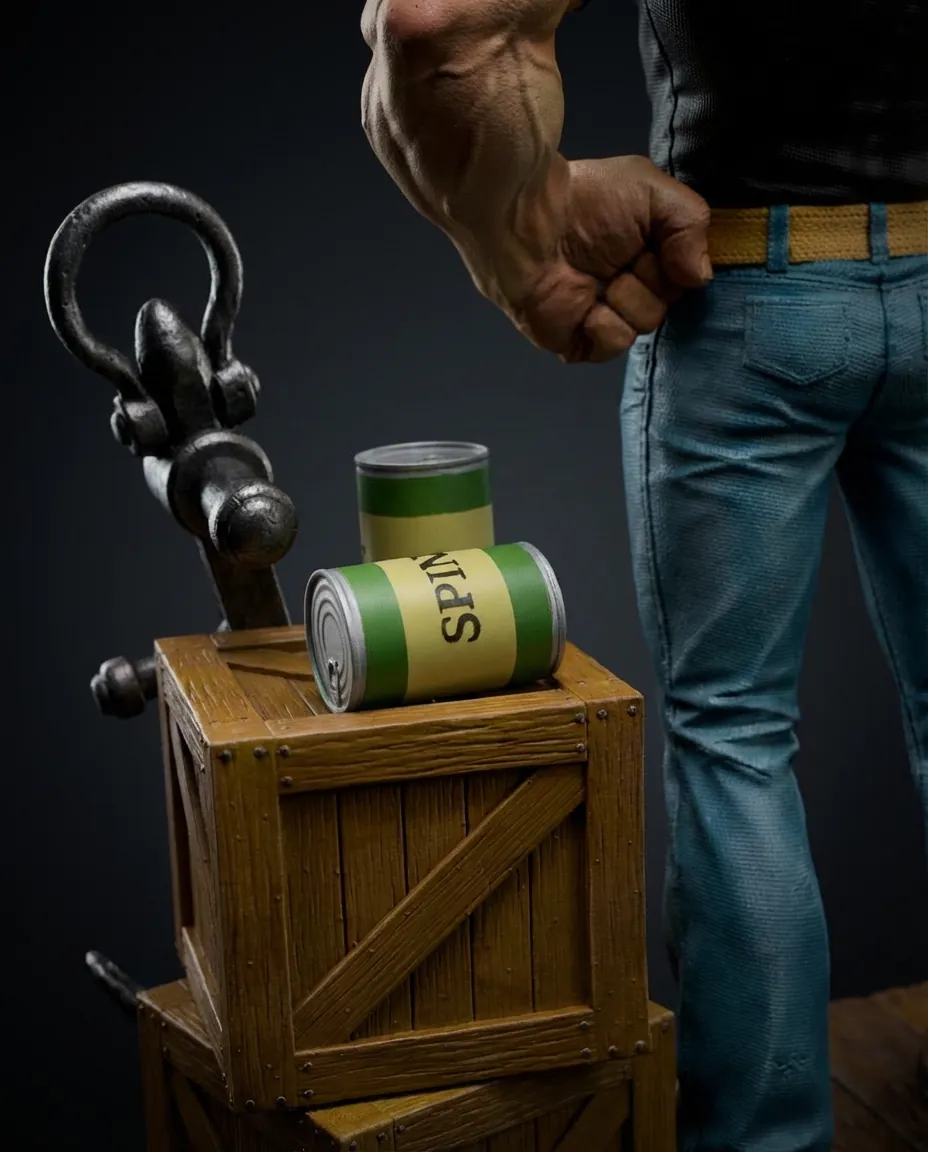
New to painting 3D printed figures? This guide walks you through the essential steps, from preparation to final details, so you can get clean, professional-looking results.
Quick Summary
In this guide, you’ll learn:
- How to prepare a 3D printed figure for painting
- Why priming is critical
- Basic painting steps for beginners
- Common mistakes to avoid
Why Preparation Is More Important Than Paint
Many beginners focus only on paint choice, but surface preparation is what determines how good the final result looks.
Even the best paints won’t perform well on:
- Dusty surfaces
- Poorly sanded prints
- Unprimed resin
Getting the basics right makes everything easier later.
Step 1: Clean the Print Properly
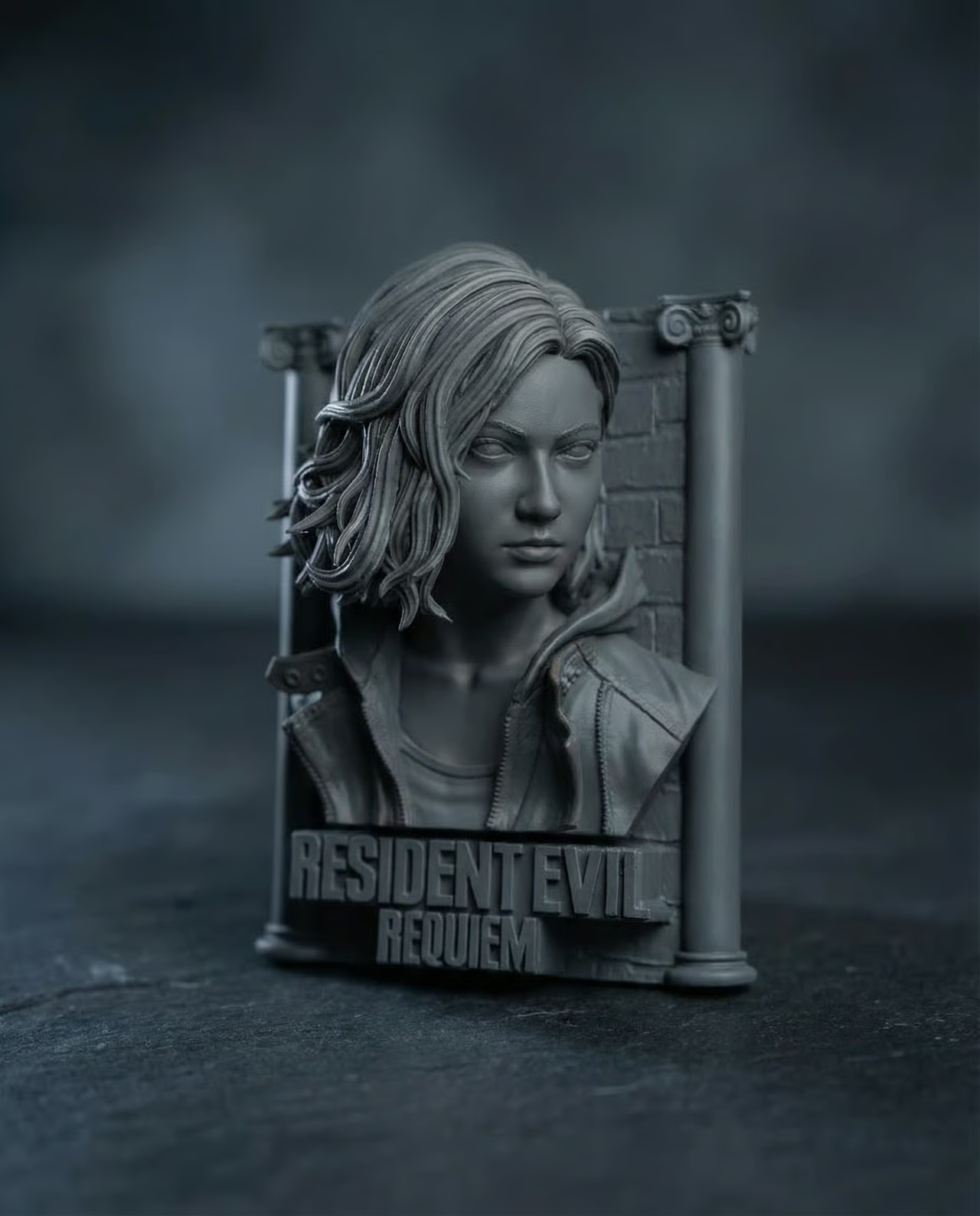 Before painting, make sure the figure is fully clean.
What to do:
- Wash resin prints with warm water and mild soap
- Remove any residue or dust
- Let the piece dry completely
Never paint on a dirty surface — paint will peel or look uneven.
Step 2: Sanding the Surface
(Image: Sanding a resin figure)
Sanding helps remove:
- Layer lines
- Support marks
- Small surface imperfections
Beginner sanding tips:
- Start with medium grit
- Finish with fine grit
- Focus only on visible areas
You don’t need perfection — just smooth enough for paint.
Step 3: Apply Primer (Do Not Skip This)
(Image: Primed figure)
Primer creates a surface that paint can properly stick to.
Why primer matters:
- Improves paint adhesion
- Reveals surface flaws
- Creates an even base color
Common primer options:
- Spray primer
- Airbrush primer
Always let primer fully dry before painting.
Step 4: Base Coating the Figure
(Image: Base colors applied)
Base coating means applying the main colors of the figure.
Beginner tips:
- Thin your paints slightly
- Use multiple light coats
- Don’t rush coverage
Thin layers look smoother than thick paint.
Step 5: Simple Shading & Details
You don’t need advanced techniques at the start.
Easy upgrades for beginners:
- Use washes to add depth
- Paint details last
- Work from large areas to small details
This instantly improves the final look without complexity.
Common Beginner Mistakes
Avoid these early mistakes:
X Painting without primer
X Using thick paint
X Rushing drying time
X Over-sanding fine details
Learning to avoid mistakes is faster than fixing them later.
Final Tip from Polynur Design
When we paint resin collectibles at Polynur Design, the best results always come from patience and preparation — not rushing the paint stage.
Master the basics first, then build your skills over time.
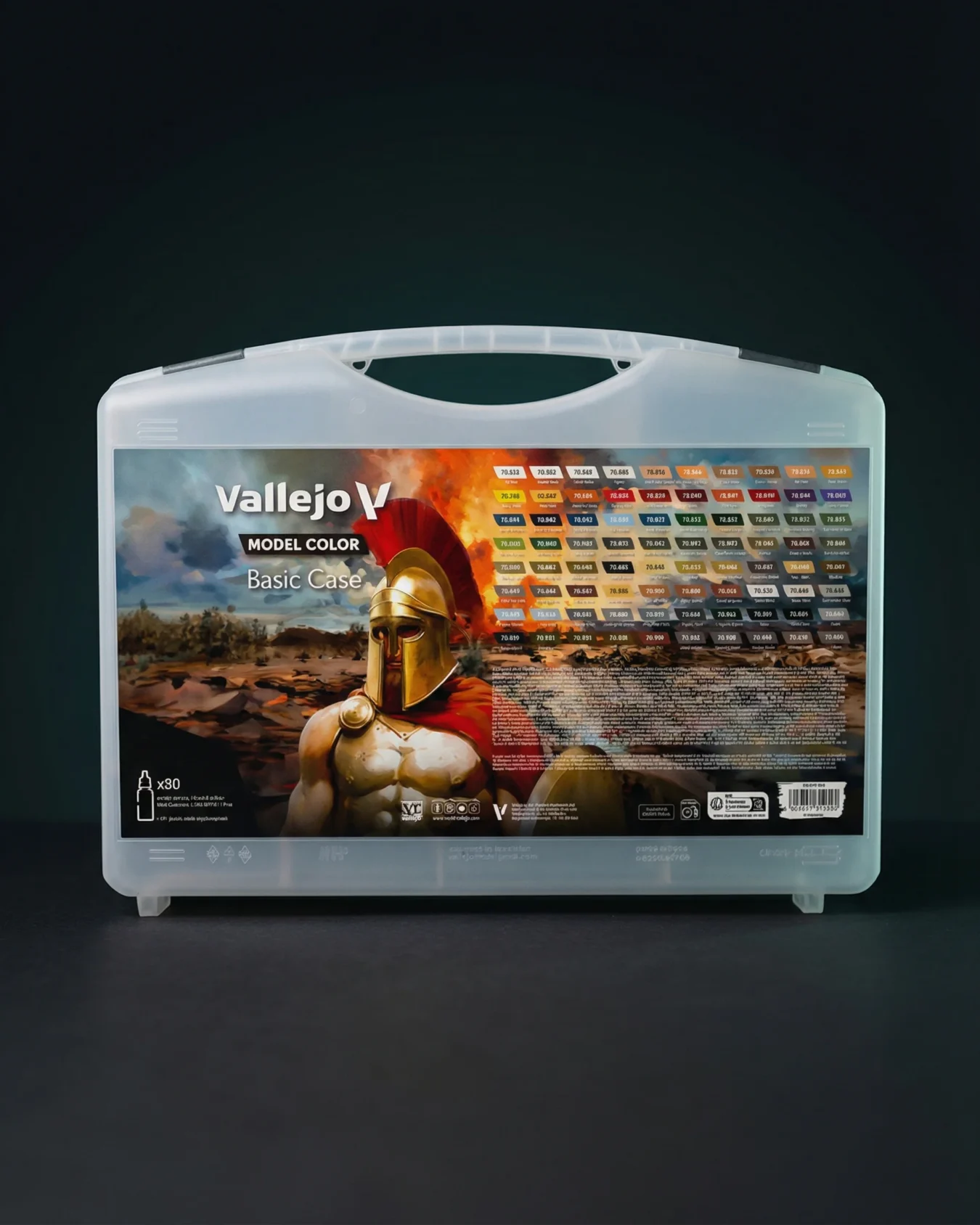
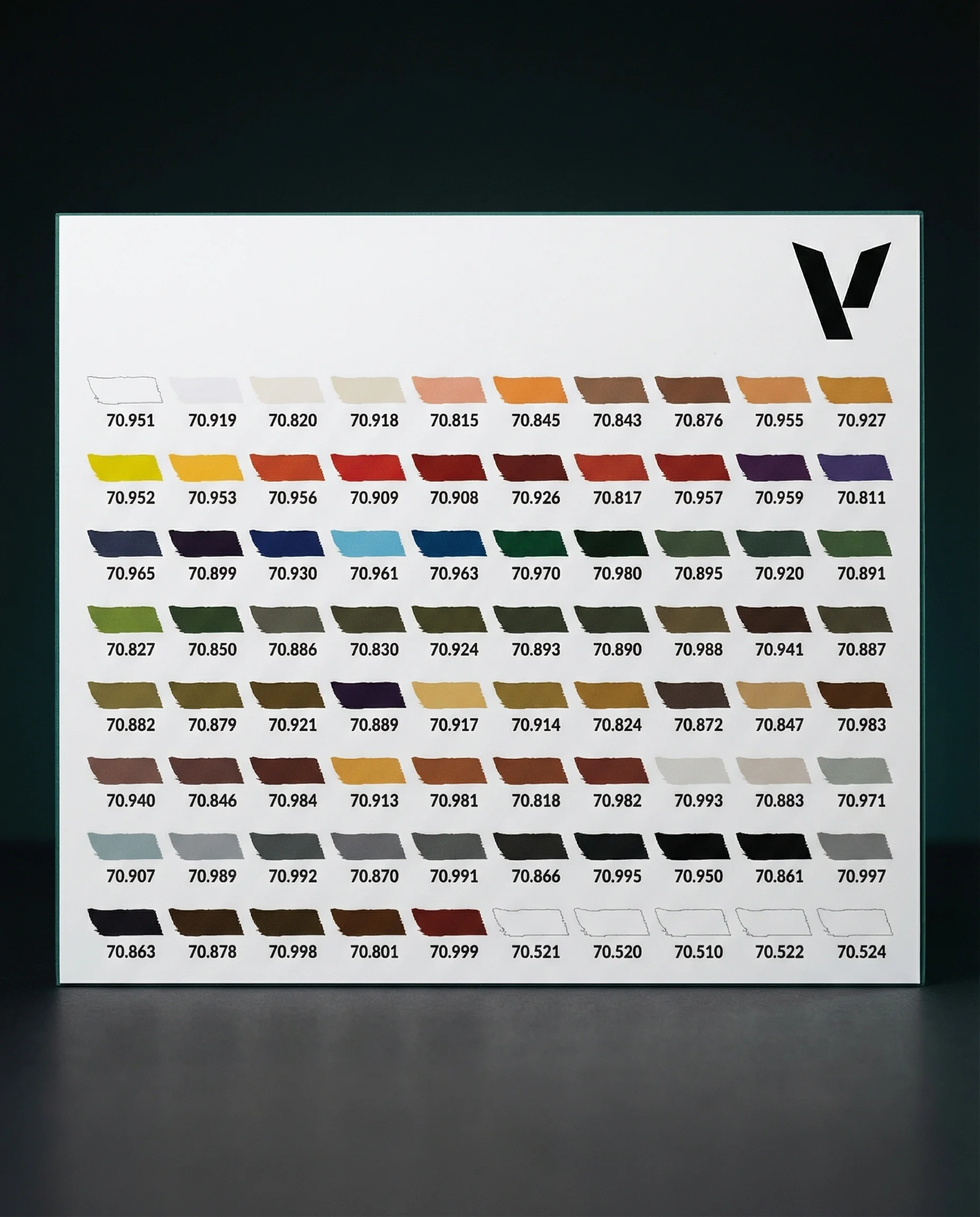
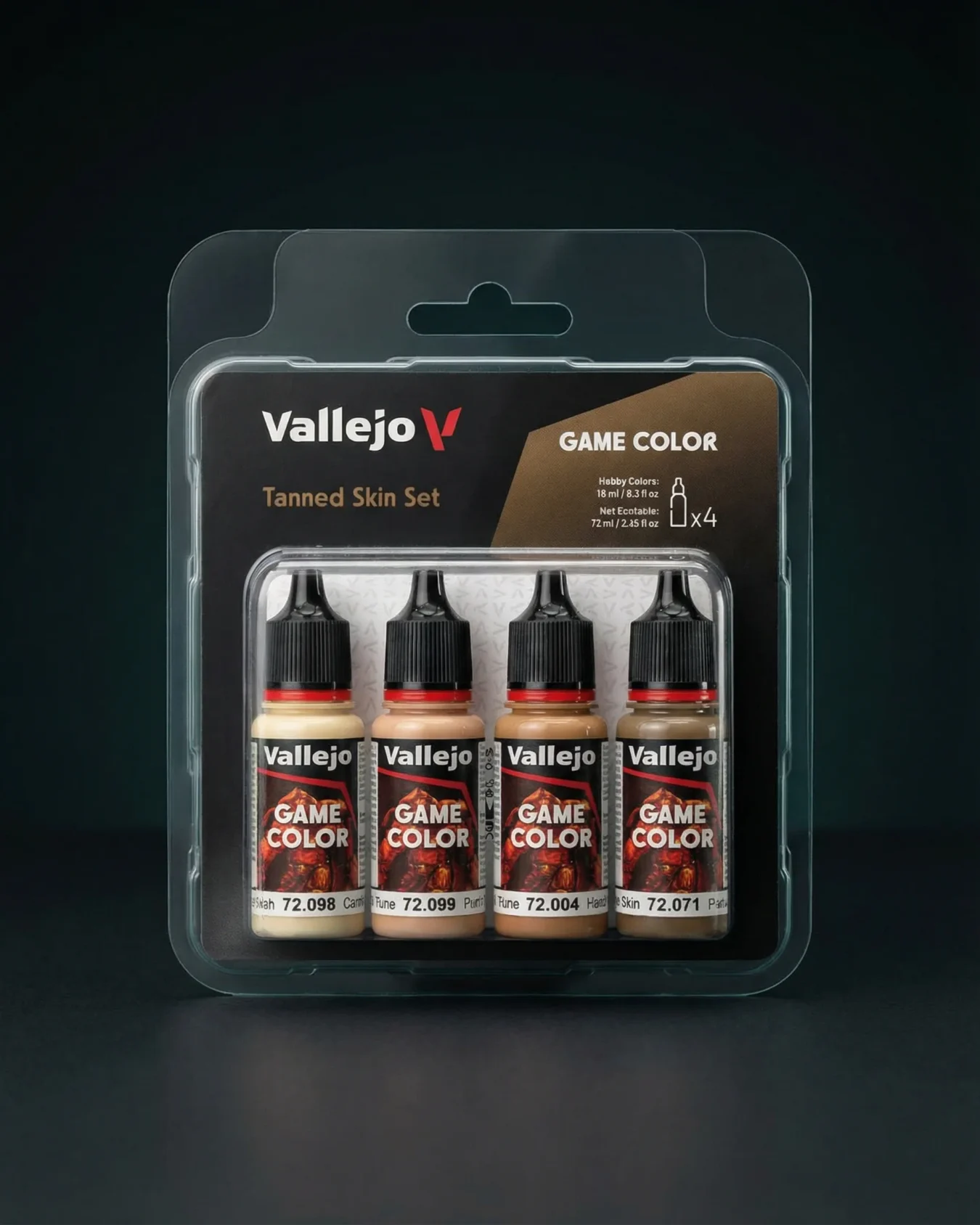
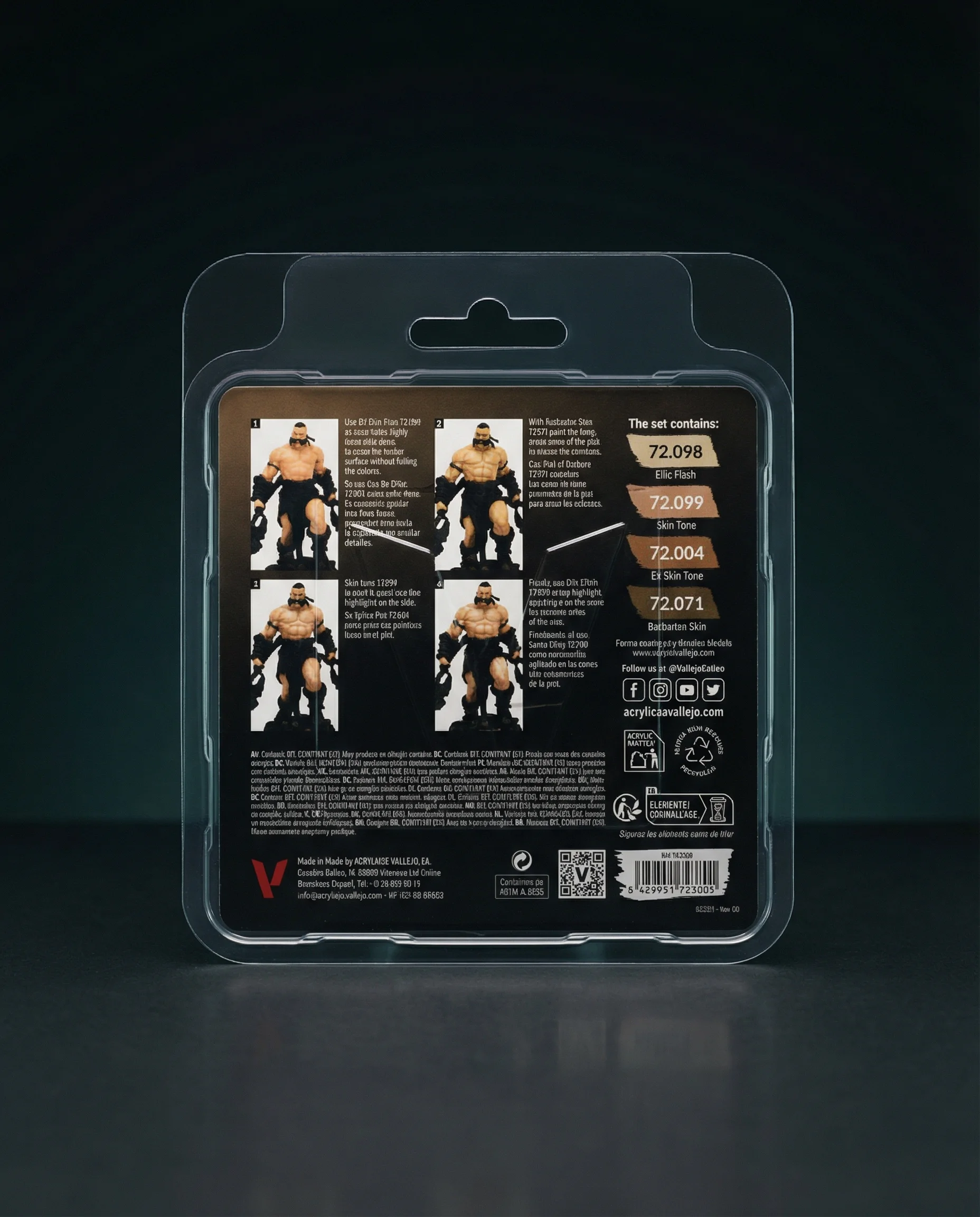
Recommended Products

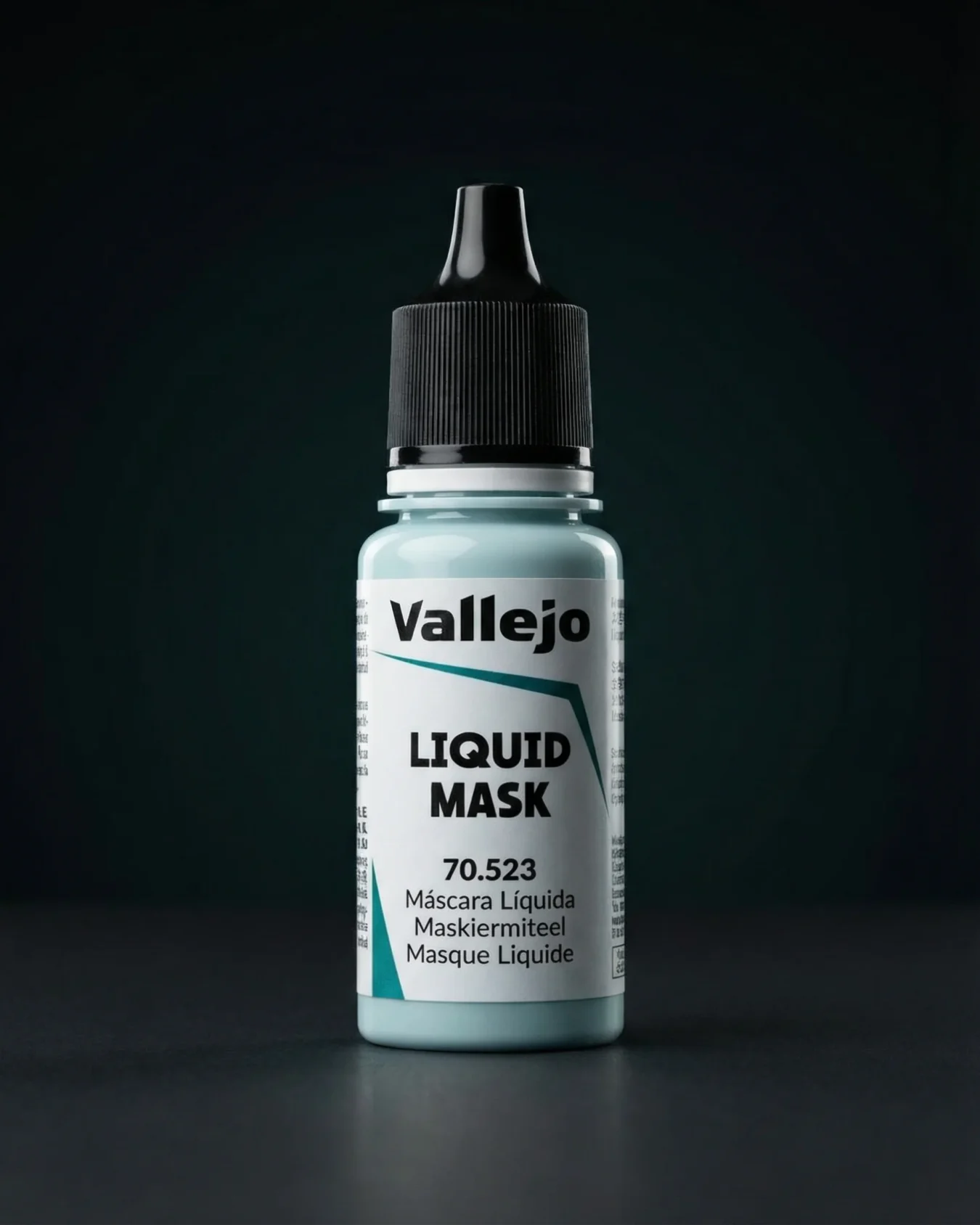
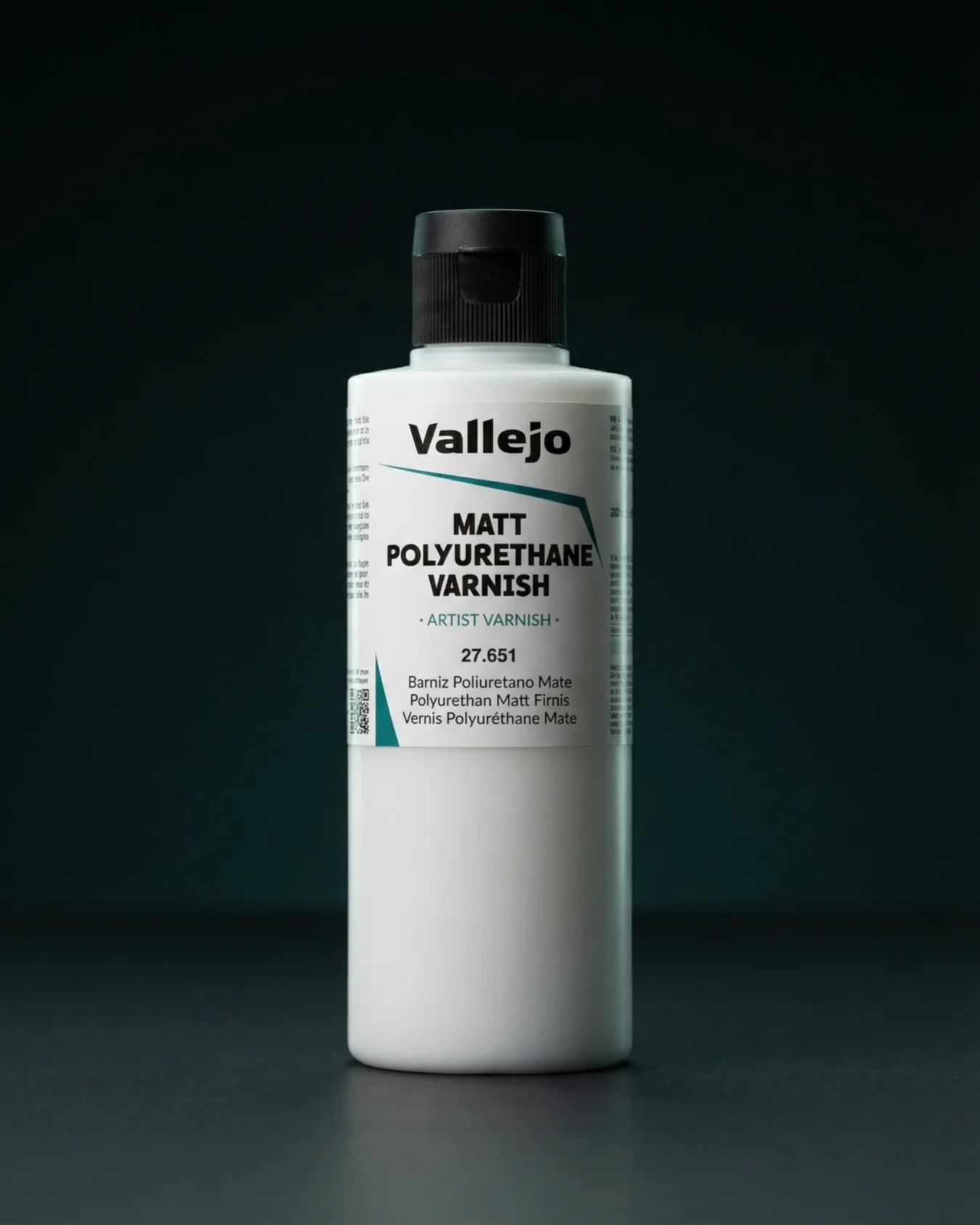
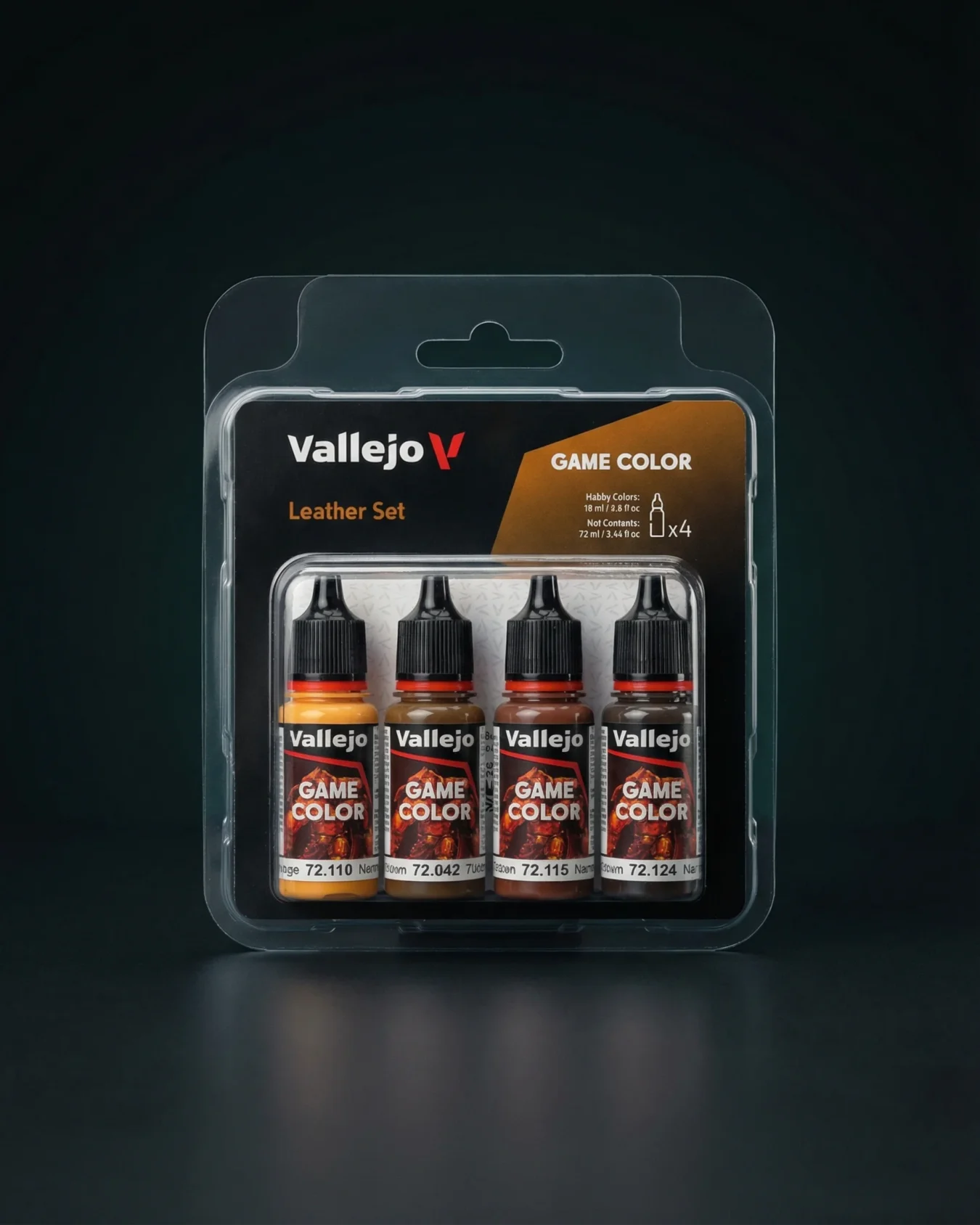
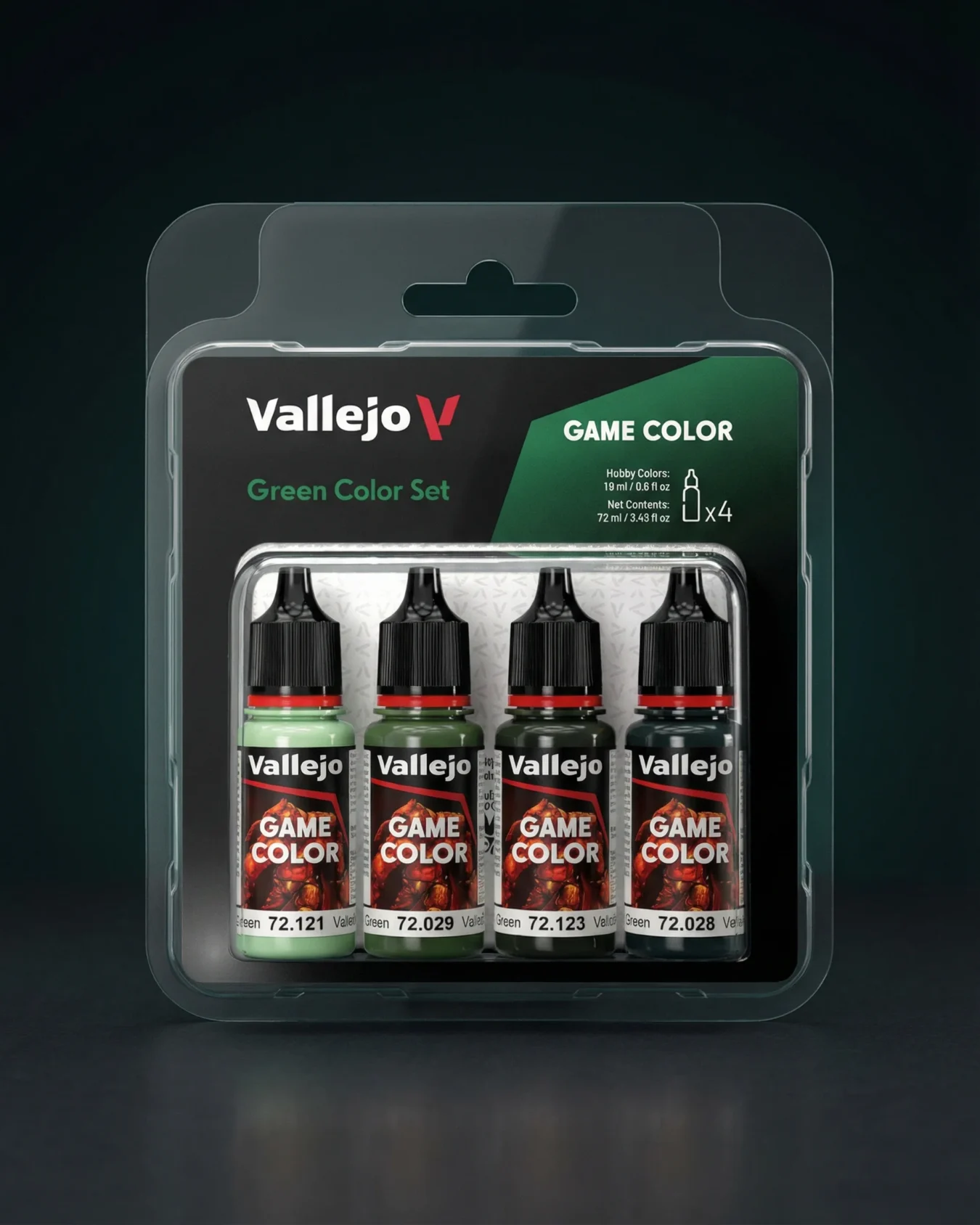
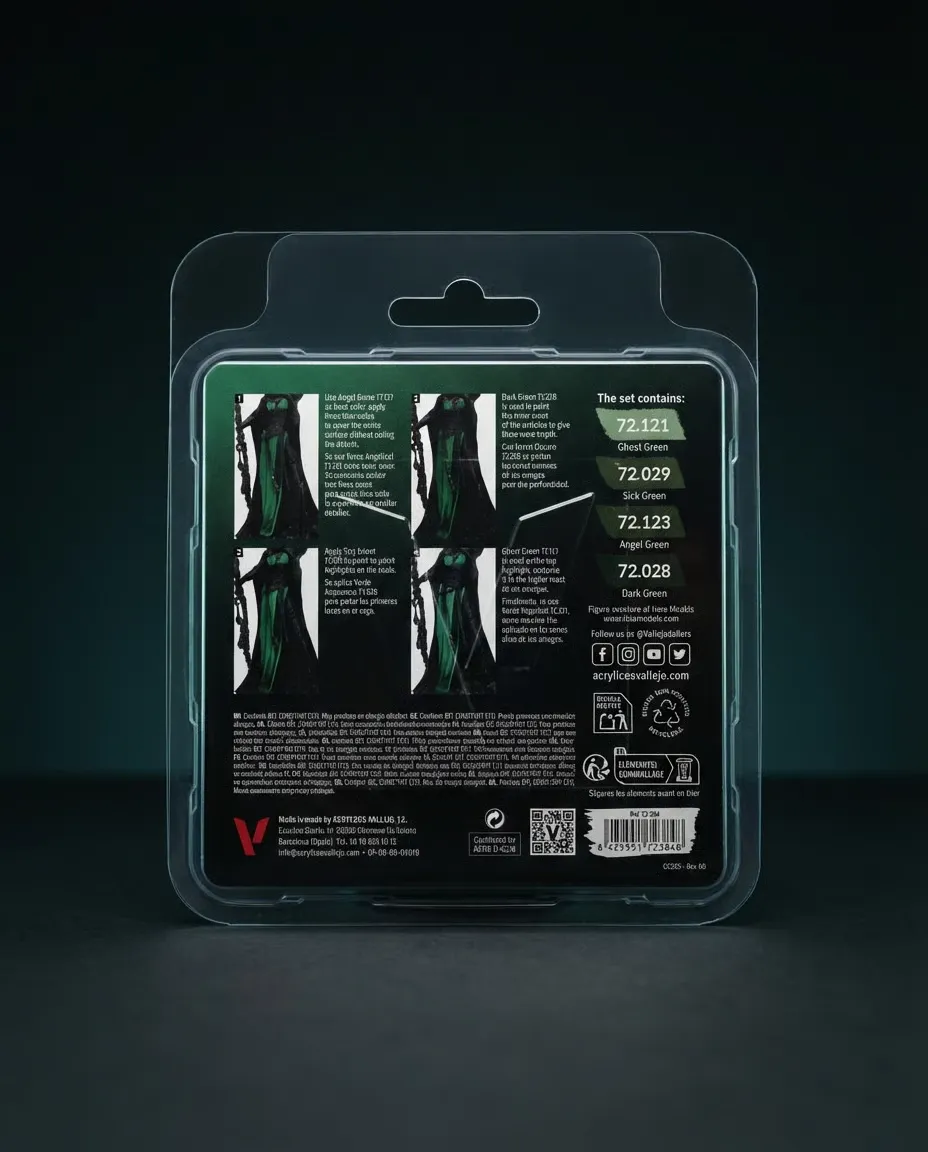
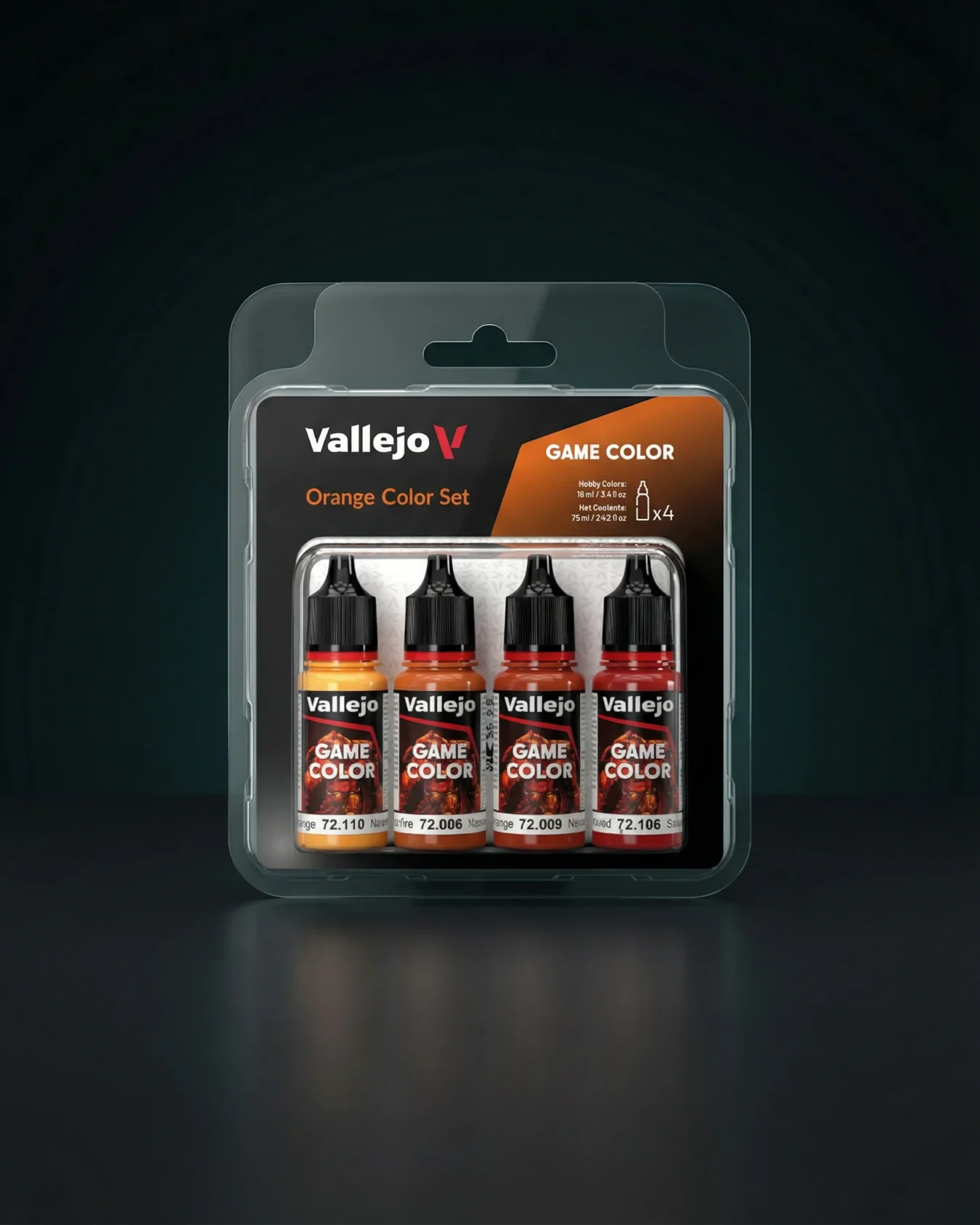
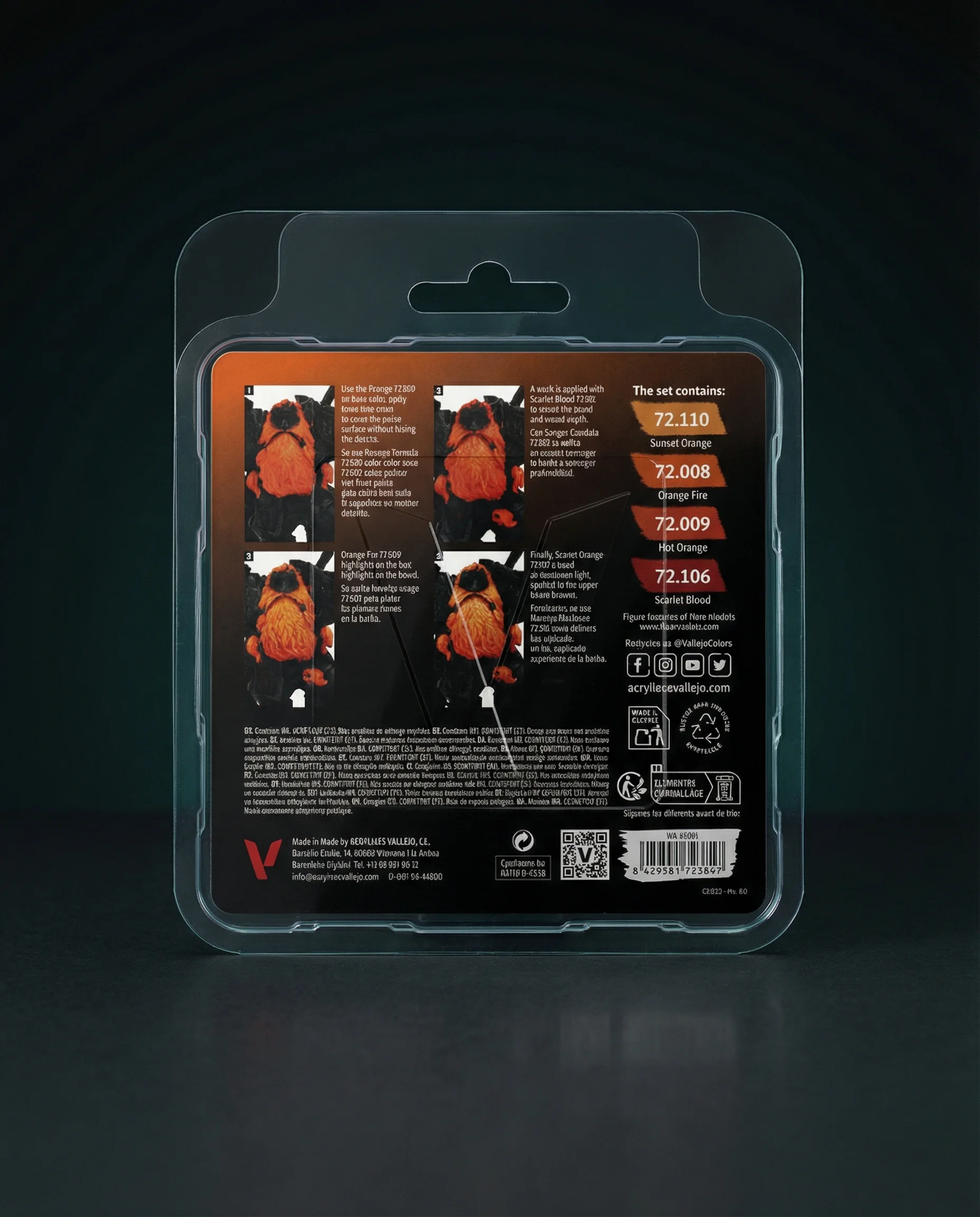
Frequently asked questions
Can beginners paint 3D printed figures easily?
Yes. With proper preparation and basic techniques, anyone can get good results.
Do I need expensive tools to start?
No. A few brushes, primer, and quality paints are enough.
How long should I wait between paint layers?
Wait until the paint is fully dry to the touch — rushing causes texture issues.